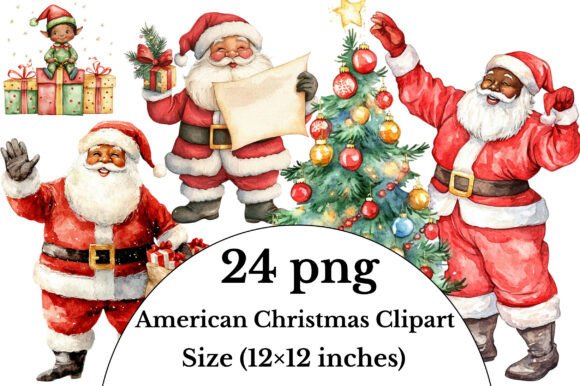
Reviewing American Christmas Clipart for Stitchers
As a designer who has spent countless hours staring at digitizing software and even more hours watching needles punch through fabric, I have learned that not every pretty picture translates well into thread. When I first pulled up the American Christmas Clipart collection, my initial reaction was one of cautious optimism. The visuals are undeniably festive, capturing that specific blend of nostalgia and patriotic warmth that defines the holiday season in the United States. But as embroidery professionals, we know that visual appeal on a screen is only half the battle. The real test is how these Illustrations behave under the presser foot.
I decided to put this design set through its paces by planning a small batch of custom holiday merchandise for a local boutique client. The goal was simple: create a line of personalized gifts that felt high-end yet approachable. I wanted to see if these graphics could hold their own on textured fabrics and withstand the rigors of commercial production.
First Impressions and Visual Personality
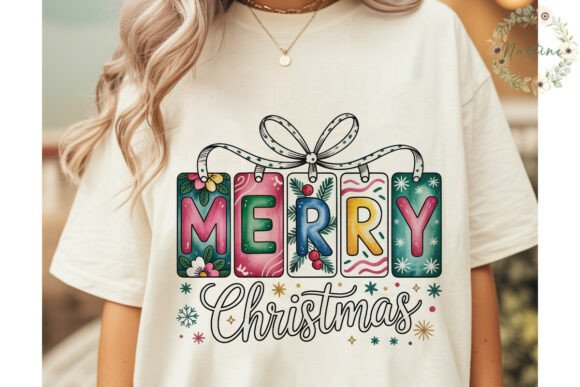
The mood created by this clipart is distinct. It avoids the overly saccharine or generic tropes often found in holiday graphics, opting instead for a cleaner, more structured aesthetic. The shapes are bold, which is immediately encouraging for anyone working with machine embroidery. In our trade, we know that fine lines and tiny details often get lost in the stitch-out process. The layout of these designs suggests a thoughtful approach to negative space, which is crucial for maintaining clarity once the thread hits the fabric.
For an embroidery project, the level of detail feels balanced. It is intricate enough to look professional but not so dense that it risks becoming a stiff, cardboard-like patch on soft garments. This visual personality makes it naturally suited for items that need to make a statement without overwhelming the wearer. Whether you are creating a tote bag design for a holiday market or adding a festive touch to a neutral sweatshirt, the graphic weight of these illustrations sits comfortably in the middle ground.
Real-World Application on Various Fabrics
To test the versatility of the American Christmas Clipart, I moved beyond digital mockups and started stitching. My primary test subject was a heavy-weight cotton canvas tote. The bold lines of the design translated beautifully here. The fill stitch areas covered the weave evenly, providing solid color coverage that popped against the natural beige background. This is exactly what an Etsy seller or small shop product creator wants to see: consistent coverage that looks intentional and high-quality.
I also tested the design on a fleece sweatshirt. This is where many designs fail, as the pile of the fleece can swallow up finer details. However, because this clipart relies on strong silhouettes, the sweatshirt embroidery remained legible and charming. The thread colors I chose—classic reds, deep greens, and crisp whites—stood out well against the dark navy fabric. For those creating custom apparel, this suggests that the design is robust enough to handle the texture of terry cloth, fleece, and even denim.
However, caution is advised when moving to stretchy or thin fabrics. I attempted a test on a lightweight jersey knit for a baby embroidery onesie. Without a proper cut-away stabilizer, the design pulled slightly, distorting the edges. This is not a flaw in the artwork itself but a reminder of the physical limitations of embroidery. If you are using this for delicate items, ensure your stabilization strategy is rock-solid. A good rule of thumb is to always test the design on scrap fabric first, especially when working with materials that behave unpredictably under tension.
Navigating Technical Challenges
While the designs are generally forgiving, there are areas where a designer needs to be vigilant. Small hoop sizes can be tricky. If you are trying to fit a complex element of the clipart into a 4x4 inch hoop, you may need to simplify the layout or reduce the size significantly. Be wary of stitch density in the smaller corners of the design. If the digitizer has packed too many stitches into a tight area, it can lead to thread breaks or fabric puckering. Always inspect the small details in your embroidery software before hitting start.
Another consideration is the use of satin stitch borders. If the clipart includes thin outlines, ensure they are wide enough to be stitched as satin columns. If they are too narrow, they may need to be converted to running stitches, which can look less polished on certain fabrics. For embroidered patch creation, this is less of an issue since you can use a dense merrowed edge, but for direct-to-garment work, clarity is key.
Dark fabrics present their own challenge. While the bold shapes help, you must ensure high contrast between your thread colors and the garment. A dark green design on a black shirt will vanish. I recommend testing your color combinations in black and white mockups first to check for value contrast. If the design disappears in grayscale, it will likely lack impact in real life.
Commercial Value and Brand Consistency
For craft business owners, the ultimate question is whether this design adds value to the finished product. In my assessment, yes. The clean, classic look of the American Christmas Clipart lends an air of professionalism. It does not look like a hastily downloaded freebie; it looks curated. This builds customer trust. When a buyer sees a crisp, well-stitched design on a personalized gift, they perceive higher quality. This perception allows for better pricing power and stronger brand consistency.
These assets are also excellent for printable mockup creation. Because the lines are clean, they render well in digital previews, helping online shoppers visualize the final item. For digital embroidery file sellers, offering this as part of a holiday bundle could drive significant engagement, provided you clarify the licensing terms. Always confirm whether the license allows for commercial use of the finished items. Most reputable designers do, but it is your responsibility to verify this before listing products on Etsy or at craft fairs.
Final Designer Notes
Before you commit to a large production run, take these practical steps. First, check the hoop size requirements for each element. Second, review the stitch count and density settings in your machine’s interface. Third, consider the end-use. Will this holiday embroidery be washed frequently? If so, ensure your thread quality is high and your backing is secure. Finally, remember that while the Illustrations provide the visual foundation, your skill in hooping, stabilizing, and thread selection determines the final outcome.
The American Christmas Clipart collection is a strong contender for your holiday lineup. It offers the right balance of festive charm and technical feasibility. With careful attention to fabric choice and stabilization, it can elevate your commercial embroidery projects from simple crafts to boutique-quality merchandise. Happy stitching.