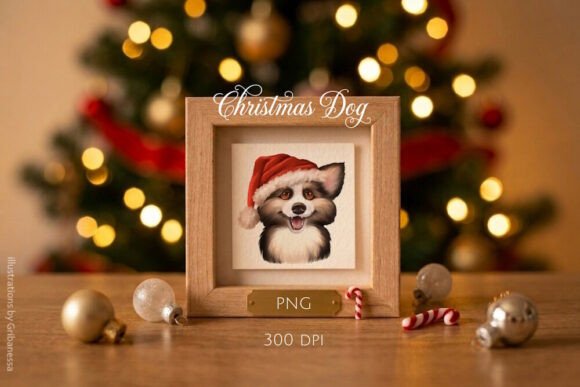
Christmas Dog PNG: Cute Puppy Illustrations for Blogs
As a digital publisher and blog designer, I have learned that the difference between a scroll-past and a click-through often comes down to split-second visual recognition. When I first loaded Christmas Dog PNG Cute Puppy Clipart into my design workflow, I was not just looking at a file; I was evaluating a potential brand asset. In the crowded space of holiday content, where every affiliate marketer and lifestyle blogger is vying for attention, the quality of your graphic design asset dictates the perceived value of your content.
This collection of Illustrations immediately struck me as having a distinct editorial mood. It is playful yet polished, striking a balance that is difficult to achieve in seasonal graphics. The aesthetic is undeniably lifestyle-focused, leaning into a warm, festive atmosphere without feeling cluttered or amateurish. For publishers operating in niches such as pet care, family lifestyle, holiday DIY, or even gentle parenting, this asset supports a narrative of joy and approachability. It feels modern and clean, avoiding the dated clipart look that can erode reader trust on professional websites.
Integrating Assets into Real Publishing Workflows
In a real-world publishing scenario, versatility is king. I tested these images across several key touchpoints in my content strategy. First, I used them for Pinterest pin creation. Pinterest is a visual search engine, and high-contrast, emotionally resonant images perform best. The clear lines and festive colors of the puppy clipart allowed me to overlay bold typography while maintaining readability. This is crucial for driving traffic back to blog posts during the competitive Q4 season.
Beyond social media, I incorporated the assets into blog graphics and article headers. For a post about "Safe Holiday Treats for Pets," the image served as an immediate visual cue, reinforcing the topic before the reader processed a single word. This strengthens visual hierarchy, guiding the eye naturally from the headline to the supporting imagery. I also experimented with using these illustrations in newsletter graphics. Email clients can be tricky with image rendering, but because these are optimized PNGs, they loaded quickly and retained their crisp edges, enhancing the overall professionalism of my email campaigns.
Enhancing Content Performance and Brand Identity
Why does this matter for your bottom line? Consistent use of high-quality design assets builds brand identity. When readers see a cohesive visual style across your website header, social posts, and downloadable resources, it signals reliability. This asset helps create a stronger first impression, which is vital for reducing bounce rates. If your site looks polished, readers are more likely to trust your recommendations, whether you are engaging in affiliate marketing or selling your own digital product.
I found that these illustrations significantly improved the appeal of my lead magnet designs. I created a simple holiday checklist for pet owners, using the puppy clipart as decorative accents. The result was a printable design that felt premium rather than generic. This perceived value increases conversion rates for email sign-ups. Furthermore, for those creating a digital guide or eBook, these elements can break up text-heavy pages, making the content more digestible and visually engaging.
Strategic Placement and Visual Context
Knowing where to place these assets is just as important as having them. They work exceptionally well as hero images for category pages dedicated to holiday content. They also serve as excellent editorial accents within listicles, providing breathing room between paragraphs. However, publishers must exercise caution. These images should be used carefully in small mobile thumbnails where detail might be lost, or on text-heavy blog images where they could compete with the copy for attention.
Avoid using them on low-contrast backgrounds, as the delicate details of the puppy’s fur or accessories may disappear. Similarly, if your website employs a very minimal, corporate, or serious professional visual system, these playful Illustrations might clash with your established tone. They are best suited for creative, lifestyle, and consumer-facing content rather than strict B2B or financial sectors.
Practical Publisher Notes for Implementation
Before deploying any new asset, I recommend a rigorous testing phase. First, check how the image looks on both desktop and mobile screens. A graphic that looks balanced on a 27-inch monitor may appear overwhelming or too small on a smartphone. Preview the asset inside your actual blog layout, not just in isolation. Test it with various headline fonts: try it beside a serif font for a classic editorial look, a sans serif for modern clarity, or a script font for a handwritten, personal feel. Ensure that the contrast remains high enough for readability.
Technical performance is non-negotiable. Review the file size for web performance. Even high-quality PNGs can be compressed without significant loss of quality to ensure fast load times, which is a critical factor for SEO and user experience. Always confirm the commercial license terms before using these images on monetized websites, affiliate pages, or paid content products. Understanding the scope of your commercial design rights protects your business from legal issues down the line.
For those using tools like Canva, these assets can be easily integrated into a Canva template library, streamlining your future content creation process. Whether you are designing social media graphics, updating your small business branding, or creating a new digital download for your shop, having a reliable set of festive illustrations saves time and elevates quality. By treating these images as integral components of your content marketing strategy, you transform simple decorations into powerful tools for engagement and conversion. The right visual choices do not just decorate your content; they amplify your message and build a lasting connection with your audience.